Operating Input
The system receives a mechanical or control input based on the needs of the target application.
VForce Technology
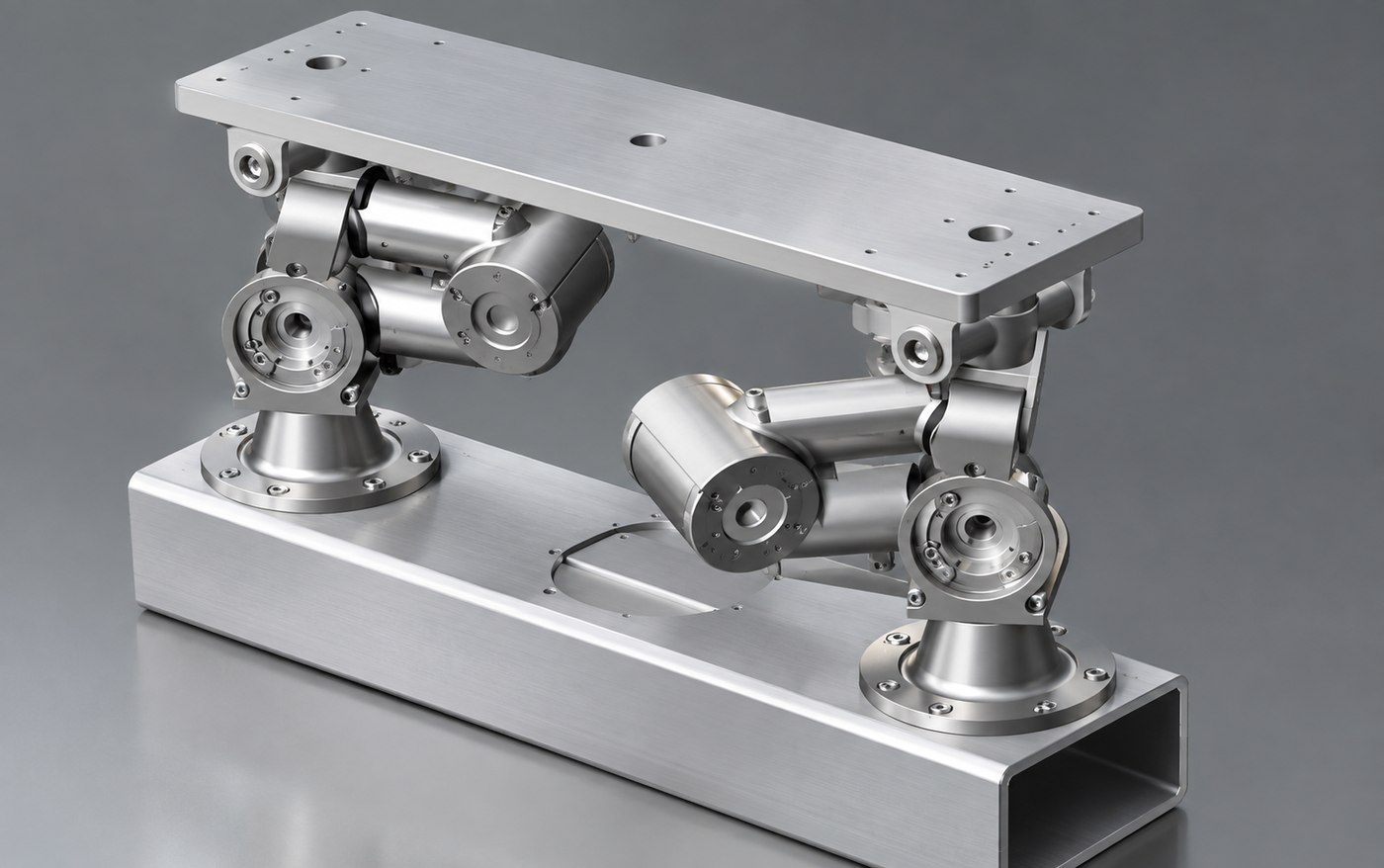
VForce Systems has developed a patented compound-motion platform designed to alter the geometry and aerodynamic behaviour of blades, wings, propellers, and related structures while they operate.
Technology Foundation
Conventional blades and lifting surfaces are normally built around a fixed geometry. VForce introduces controlled mechanical movement that allows a structure to adapt its form in response to changing operating requirements.
The platform combines coordinated translation, rotation, and articulation to produce controlled geometric change. Its purpose is to support more application-specific control across lift, drag, thrust, load, and energy-capture conditions.
The same underlying engineering principle can be evaluated across wind energy, fixed-wing aviation, rotorcraft, tilt-propeller systems, advanced mobility, maritime propulsion, and rigid-sail applications.
How the Platform Works
The VForce platform is designed around a sequence of controlled mechanical actions rather than relying on one fixed aerodynamic profile.
The system receives a mechanical or control input based on the needs of the target application.
Multiple elements move through a controlled compound-motion pathway.
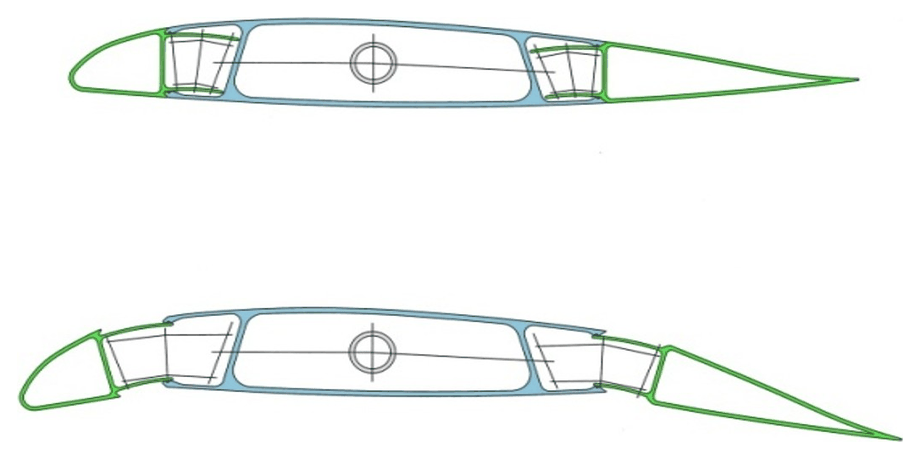
The blade, wing, propeller, or working surface changes shape without relying on a conventional fixed profile.
The resulting geometry can be assessed against application-specific lift, thrust, load, drag, noise, or energy-capture requirements.
Motion Visualisation
This 3D simulation illustrates the coordinated movement of a VForce Compound Motion arm through a controlled spatial trajectory.
The visual demonstrates the underlying motion principle. Final geometry, movement range, control behaviour, and integration are configured for each application.
Physical Development
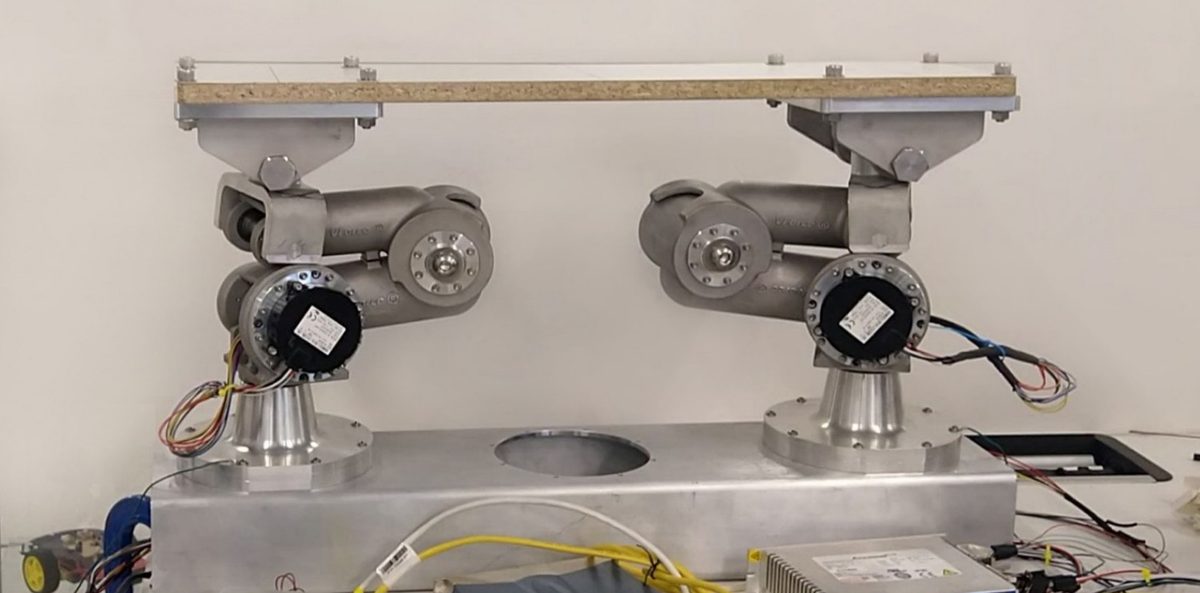
VForce has progressed beyond conceptual drawings into physical prototype development, mechanical demonstration, and technical evaluation.
Design Characteristics
VForce’s technology is intended to be configured and validated for the engineering, control, materials, load, and certification requirements of each application.
Uses a defined compound-motion mechanism to produce repeatable shape change.
Can be adapted for different geometries, scales, operating environments, and control architectures.
The underlying principle can support multiple industries rather than one fixed end product.
Development is supported through modelling, prototyping, testing, and collaborative engineering.
Designed for evaluation with OEMs, researchers, manufacturers, and technical delivery partners.
Supports potential licensing, joint development, research, manufacturing, and investment pathways.
Applications
Each application below adapts the same patented compound-motion mechanism to a different operating environment. The engineering foundation does not change; the geometry, scale, and control strategy do.
Renewable Energy
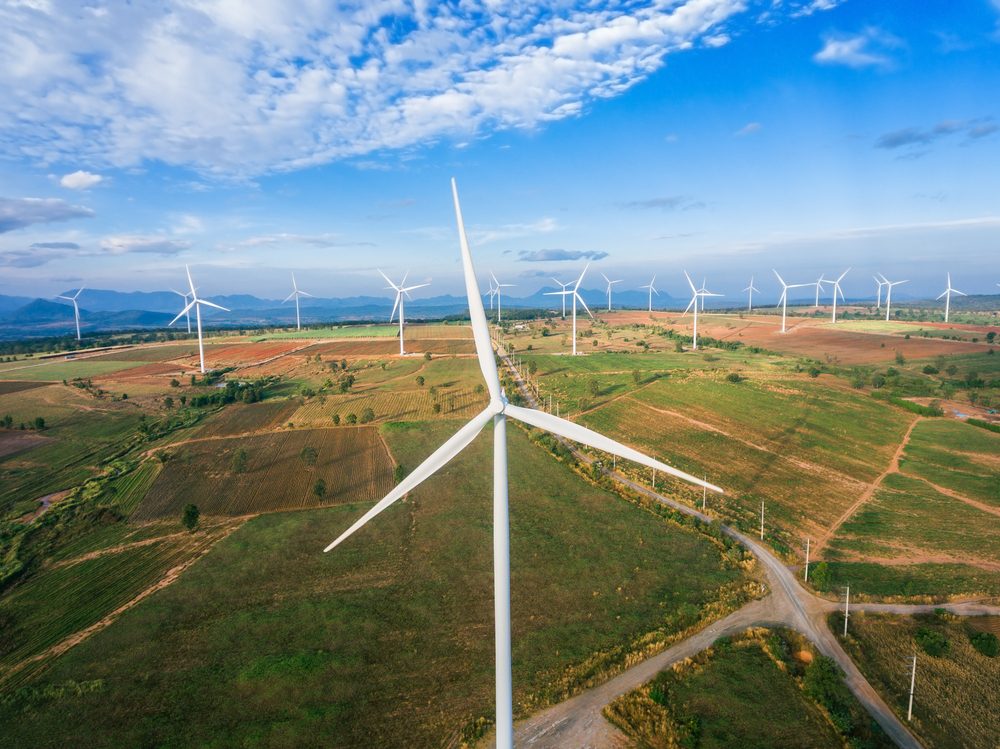
Morphing blade sections are intended to adjust aerodynamic characteristics as wind and operating conditions change.
Technical outcomes remain subject to full-scale engineering, testing, control-system development, and independent validation.
Fixed-Wing Aircraft
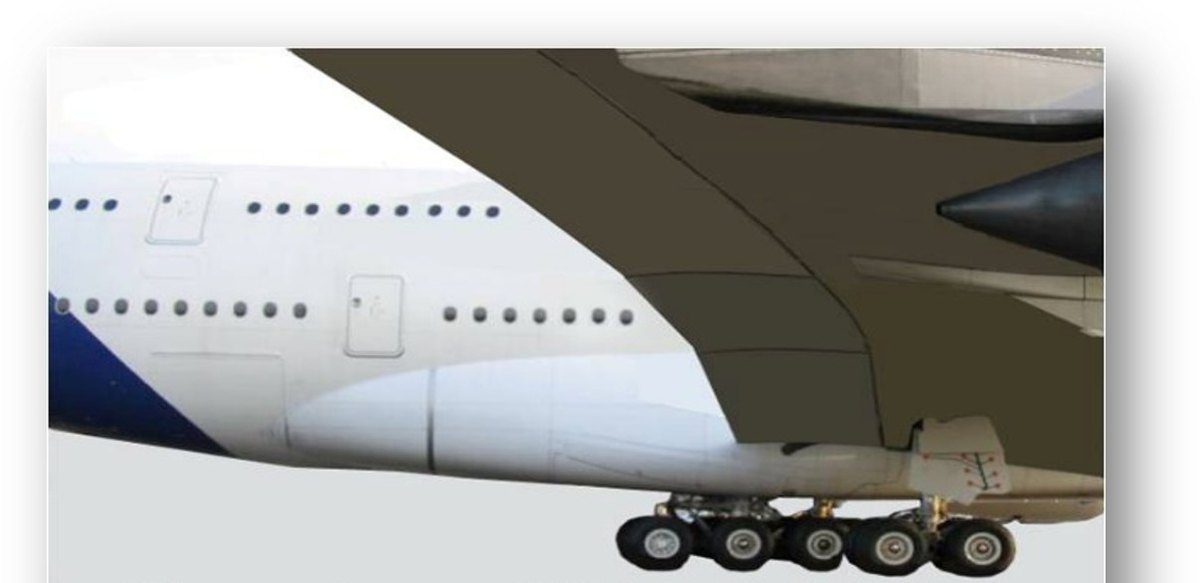
VForce technical materials describe a lighter, less complex flap and slat deployment mechanism designed to sit within the wing profile.
Aircraft applications require extensive design assurance, certification, safety analysis, and independent performance validation.
Rotorcraft & Advanced Air Mobility
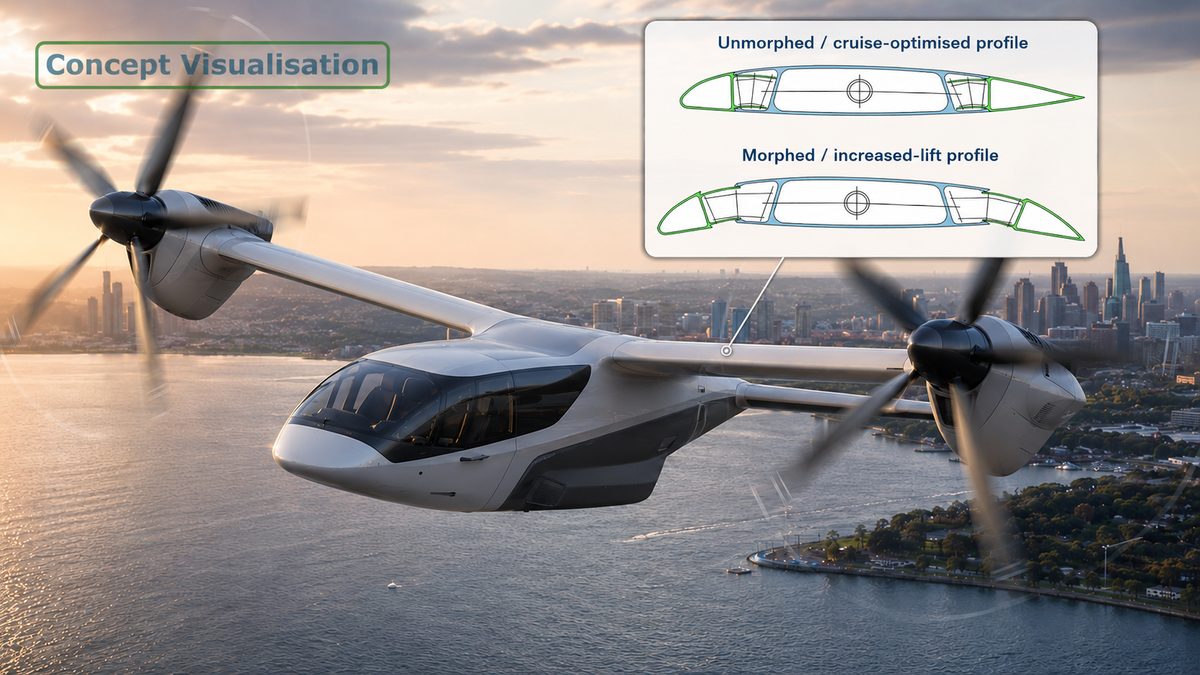
Rotor profiles can be configured for different phases of operation, including hover, take-off, landing, transition, and cruise.
The concept visualisation is illustrative. Final rotor geometry, loading, controls, materials, and certification requirements depend on the aircraft architecture.
Maritime Technology
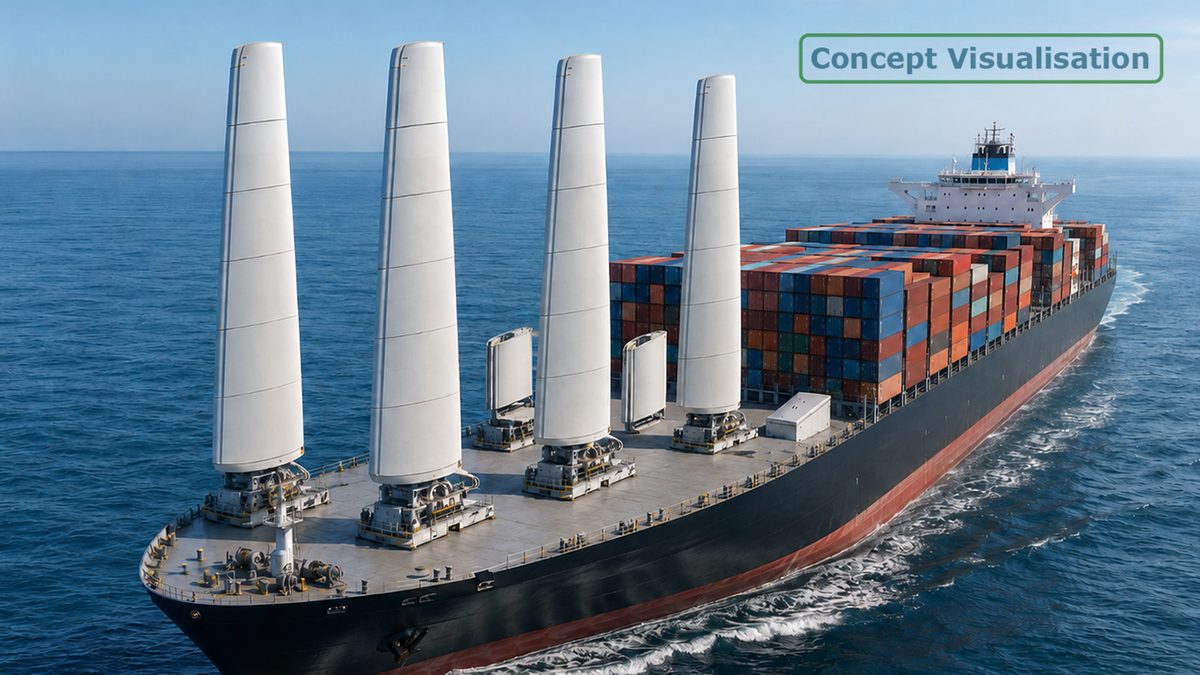
The compound-motion platform can be configured for rigid sails, foils, stabilisers, and other marine control surfaces.
Commercial outcomes depend on vessel design, route profile, weather conditions, regulatory requirements, and validated system performance.
Aerospace, Defence & Autonomous Systems
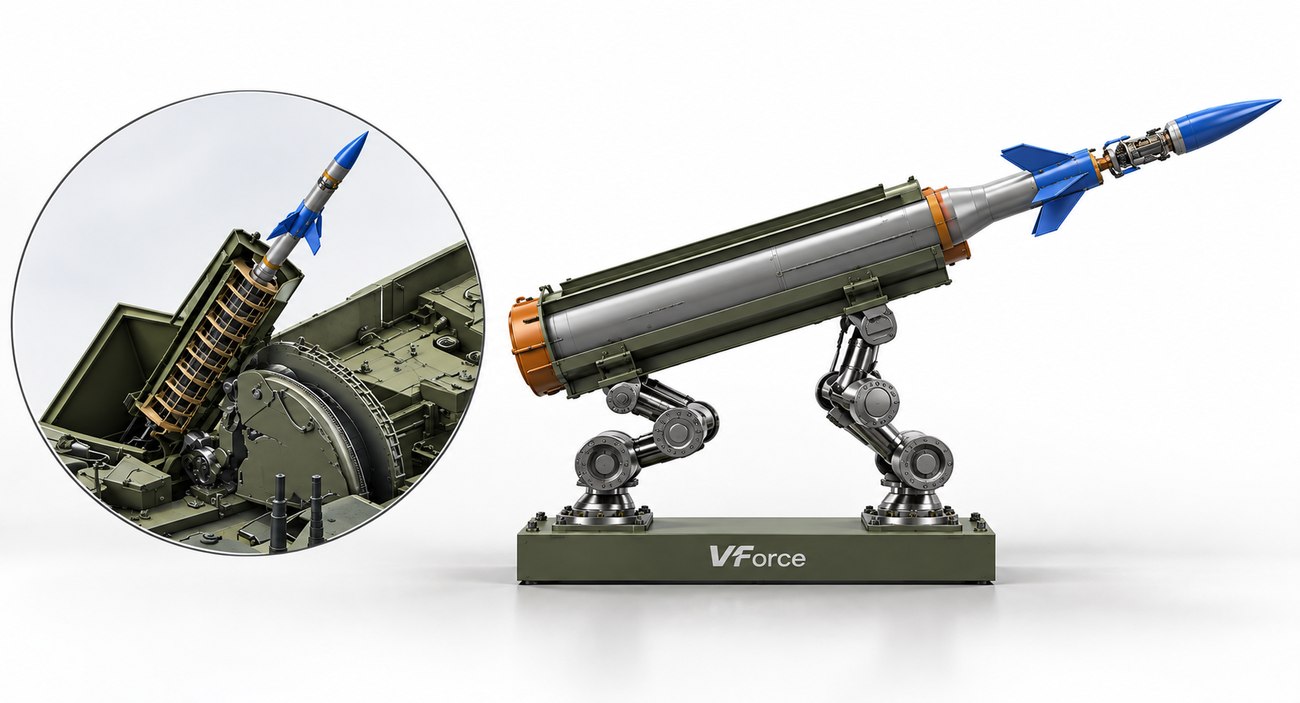
The underlying structure can be configured for controlled motion in systems requiring compact geometry, coordinated movement, and application-specific trajectories.
Defence and autonomous-system applications require program-specific security, safety, regulatory, and validation frameworks.
Research, Engineering, and Commercialisation
Discuss technical validation, prototype development, research collaboration, manufacturing, licensing, grant, or investment pathways with VForce Systems.